Death of the vandals
Solo Exhibition
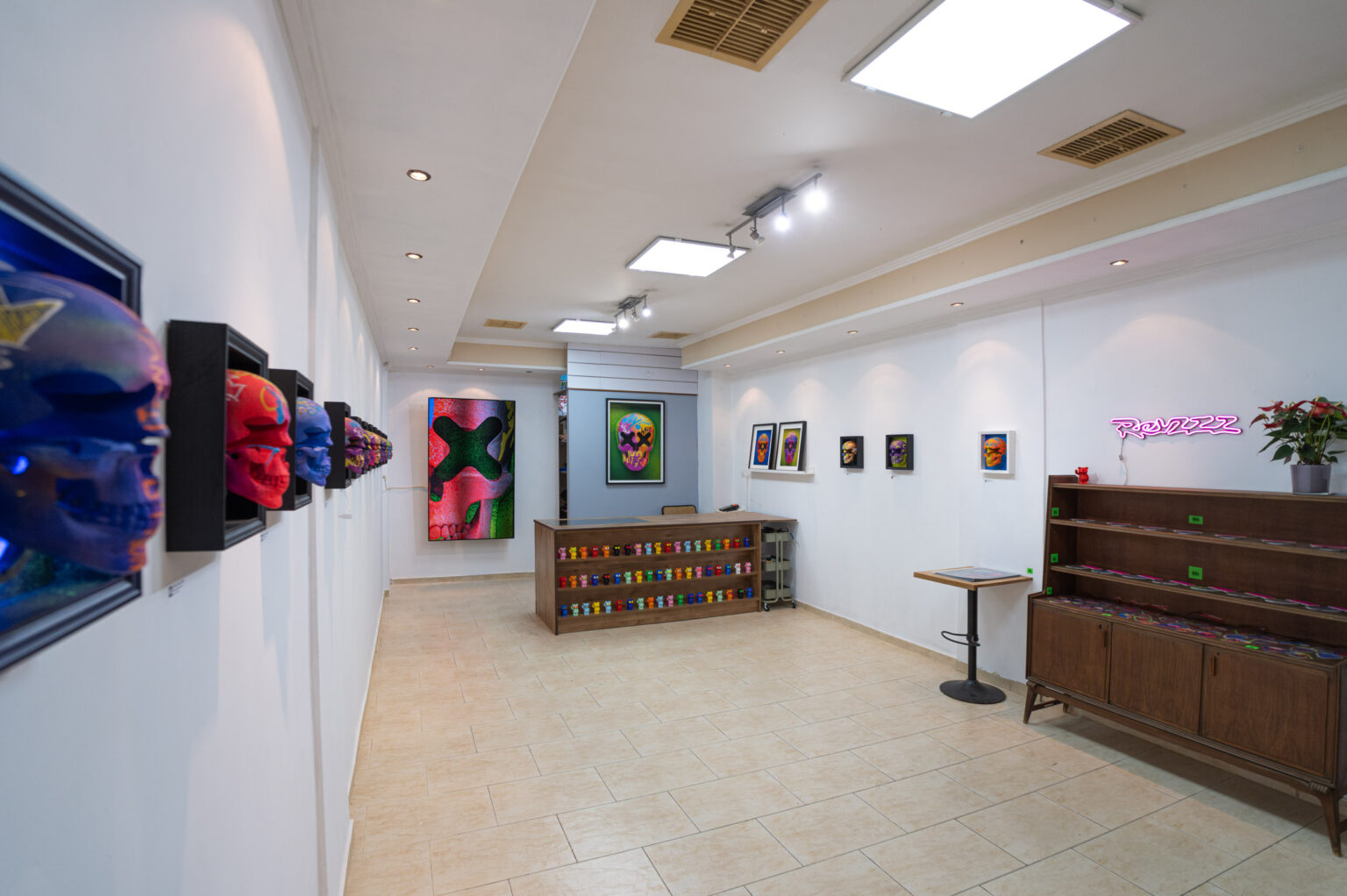
Curated by Rafi Baler · Balery Galery, Ra’anana · Apr.17 – May.01, 2026
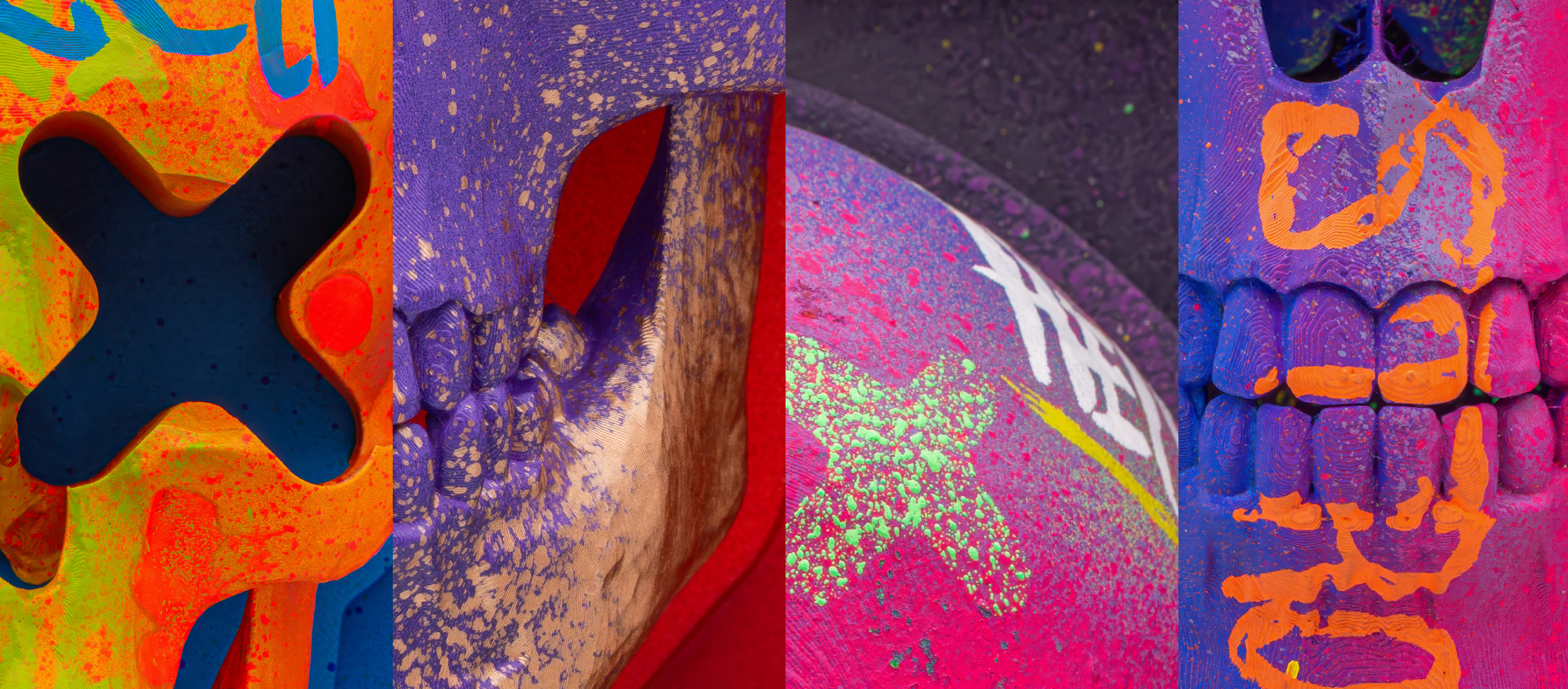
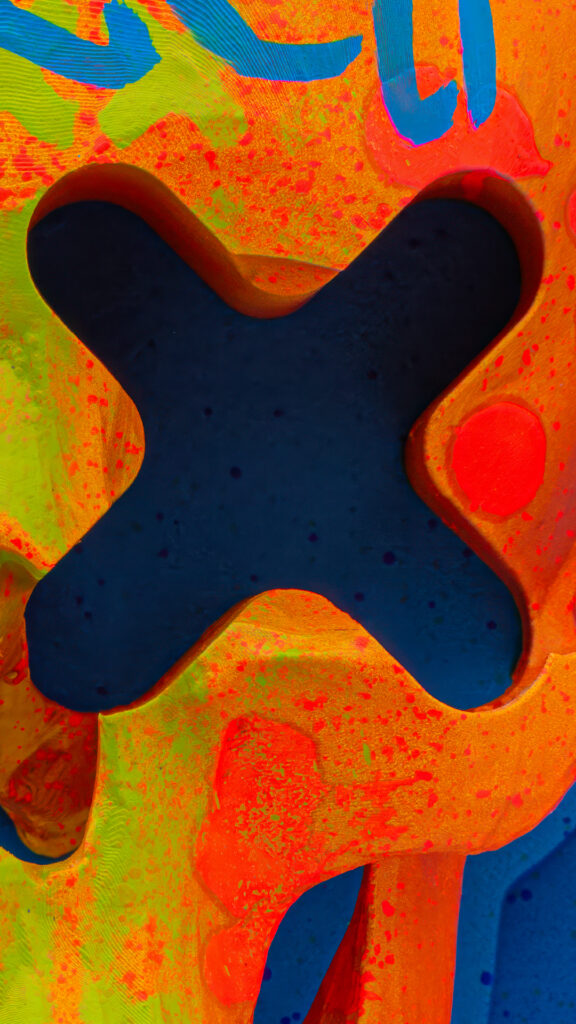
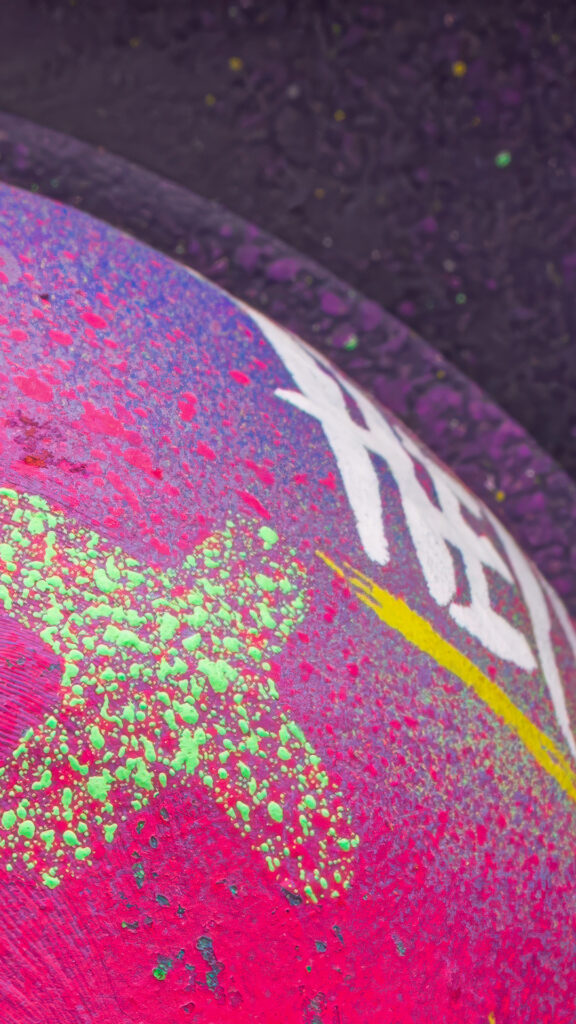
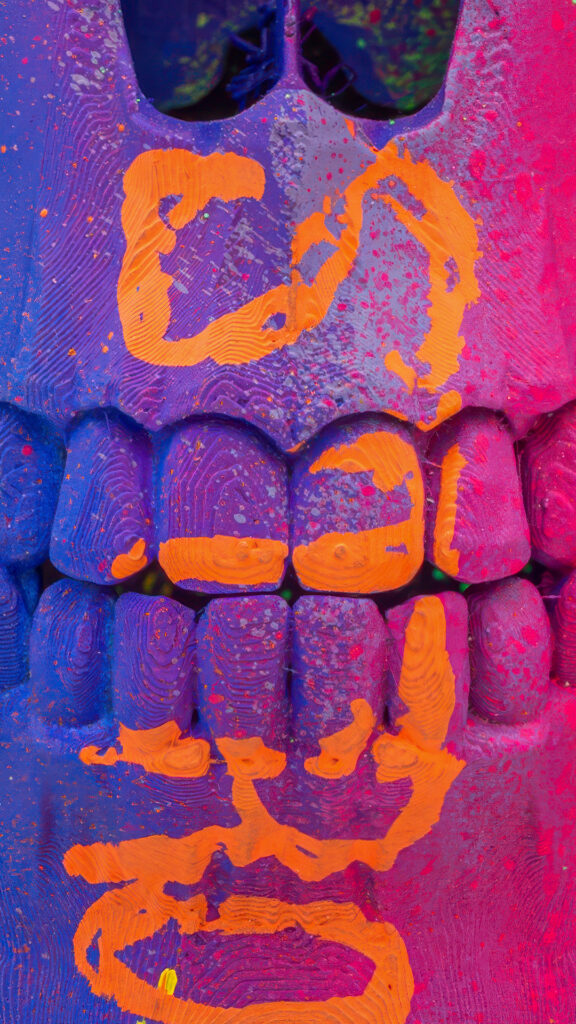
Within this space, skulls gather not as evidence of an ending, but as a point of departure. They rest along a seam between archaeological artifact and speculative object, between a silent remnant and a presence charged with memory, ritual, and imagination. Each skull is a layer, and each layer is another attempt to touch time, not only to understand it, but to reshape it.
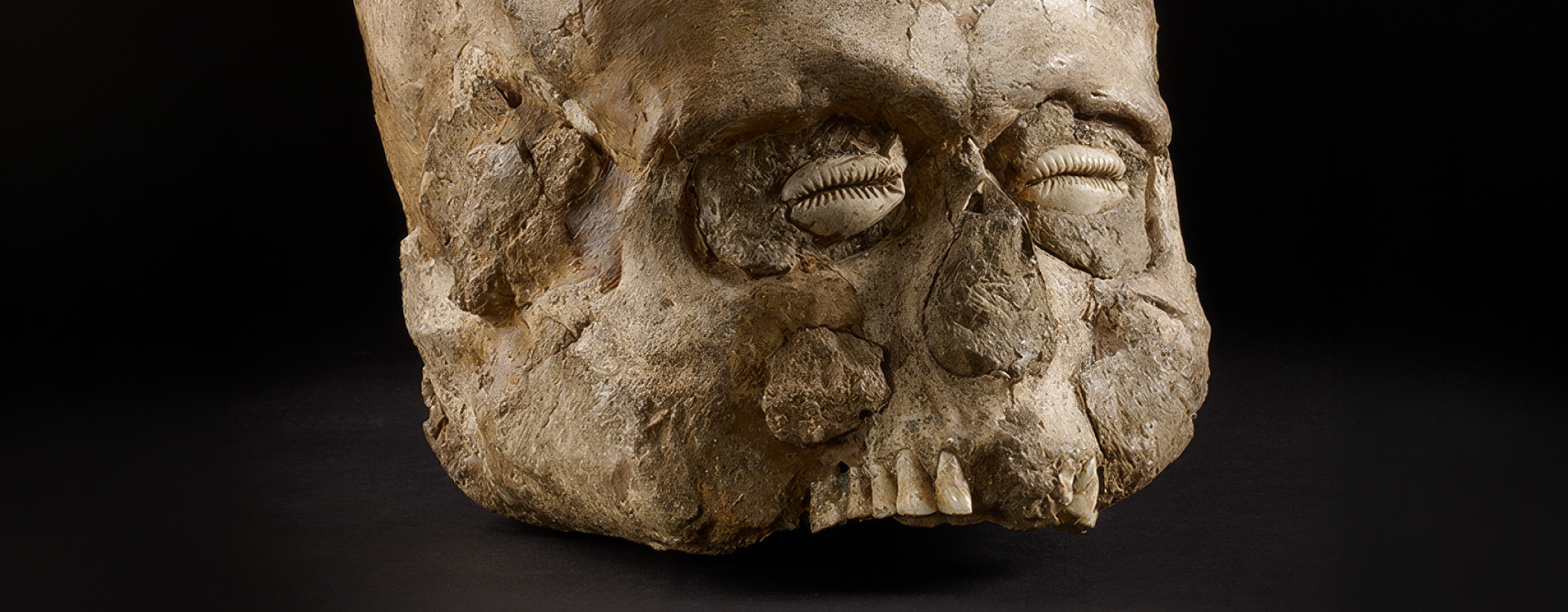
The works draw inspiration from a unique and ancient practice discovered in the Levant, particularly in what is now Israel: the plastered skulls of the Pre-Pottery Neolithic period (circa 9,000–7,000 BCE). At sites such as Jericho and ‘Ain Ghazal, human skulls were carefully treated after death—flesh removed, facial features reconstructed with plaster, and in some cases shells inserted in place of eyes. This was not mere decoration, but a deeply charged act: an effort to preserve presence, to restore a face to the lost, and to sustain an ongoing dialogue with the dead as part of an ancestral cult.
In this context, the skull is not simply a biological remnant, but a cultural device. It becomes a transitional object, bridging life and death, memory and oblivion, the individual and the collective. The act of plastering, of re-forming the face, reveals a profound human impulse not only to remember, but to interpret, to shape narrative, and to reassign meaning to what is no longer.
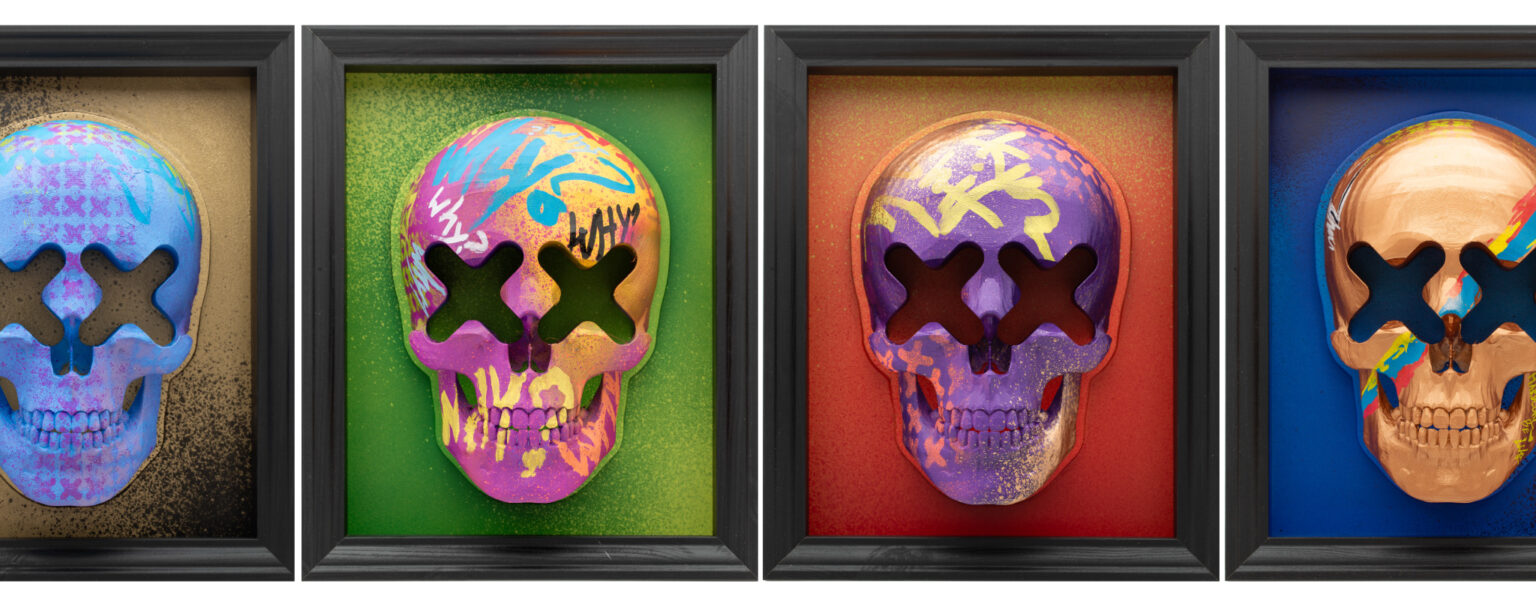
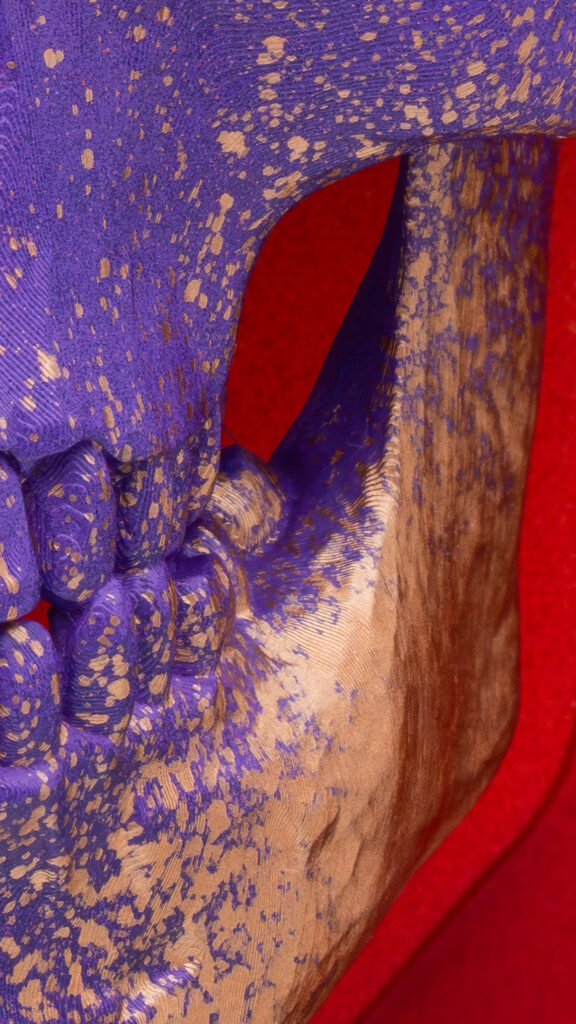
The works in this exhibition continue this lineage, while shifting it forward. Instead of plaster, layers of contemporary materials emerge; instead of reconstructing a specific identity, an open visual language takes form, at times abstract, asking what identity means in an era where memory is constantly recorded, duplicated, and reprocessed. If in the past the skull was plastered to preserve a particular person, here it becomes a platform—a field of experimentation where personal and collective memory intermingle, dissolve, and reassemble.
In a broader sense, these skulls resonate with other cultural approaches to death and remembrance: from the mummies of ancient Egypt, to European death masks, to contemporary traditions in which the skull remains a vivid and active symbol. Yet unlike practices that seek to fix or glorify a figure, what emerges here is movement—an ongoing cycle of deconstruction and reconstruction, erasure and addition.
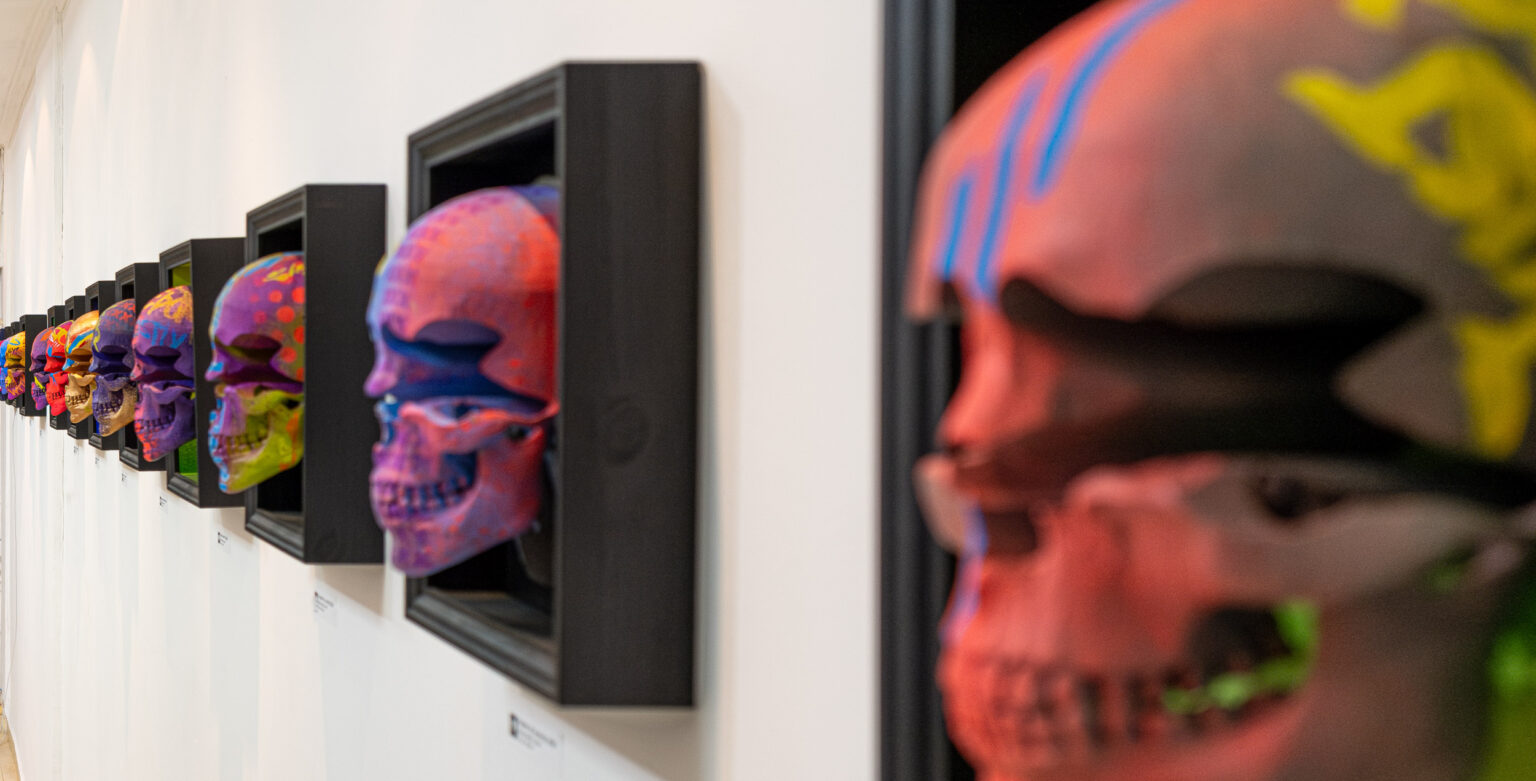
The exhibition proposes a non-linear perspective: the past is not behind us, but embedded within the present, and the future is not a destination, but an open field of interpretation. Through the skulls, a space unfolds where ancient ancestral rituals meet contemporary consciousness—one that recognizes the fragility of memory, yet also its creative force.
Ultimately, the question is not only how we remember those who came before us, but how we choose to be seen by those who will come after. What kind of faces will be shaped for us—and what stories will they tell.